 CDCP Plan Accepted


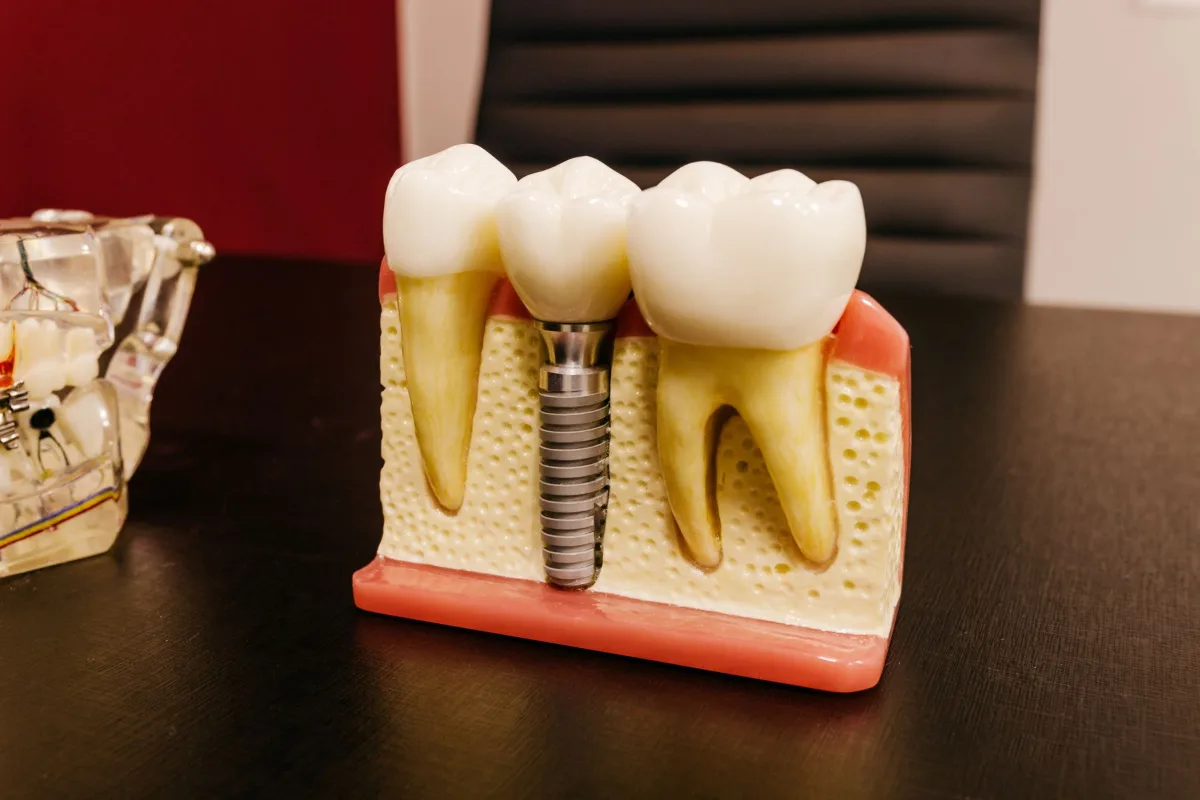
If your bite feels different after implant restoration, book a follow-up appointment with your dentist. A small bite discrepancy is common in the first few days after the crown is placed, and you can correct it with a quick adjustment. Don’t wait it out, because an uneven bite puts extra force on the implant. If you are considering dental implants in Roncesvalles, or you have recently had a restoration placed, here is what you need to know.
Why Does My Bite Feel Different After Implant Restoration?
The simplest answer is that your mouth gets used to a change. A natural tooth is anchored in place by the periodontal ligament, which allows it to move slightly when force is applied. The implant is attached directly to your bone.
There are a few other common causes:
- The crown sits a fraction of a millimetre high, so it contacts first when you close.
- The neighbouring teeth drifted slightly while the implant was healing.
- Residual swelling or tenderness in the gums is changing how you close your jaw.
- You have been chewing on one side for months, and your jaw muscles need time to rebalance.
Most of these are minor and straightforward to resolve. The important part is having your dentist confirm which one applies to you.
Is It Normal for Your Bite to Feel Off After a Dental Implant?
For the first few days? Sure. A slight feeling of thickness or an unusual sensation at the contact point is perfectly normal as you get used to a fixed prosthesis. This usually goes away once you start chewing with both sides of your mouth again.
Pain, pressure that builds through the day, or a bite that feels progressively worse are not expected. Please get in touch with your dentist if you notice any of the following:
- Soreness in the implant or the teeth around it
- Clicking or soreness of the jaw joint
- Being unable to close your teeth together evenly
- Food constantly getting stuck in one place
- Sensitivity of the opposing tooth
These symptoms don’t always indicate problems with the implant itself. They simply indicate the need to adjust the bite; the earlier you address it, the easier it is for the restoration.
Why an Uneven Bite Is Worth Addressing Promptly
Because implants don’t feel pressure the way natural teeth do, they can’t signal excess force to the patient. Excess pressure can loosen the crown or damage the porcelain. Having a check-up at a dental clinic near you is much easier than dealing with these complications.
How Is a Bite Adjusted After Implant Restoration?
The appointment is usually brief and, in most cases, does not involve freezing. Your dentist will:
- Ask you to bite on articulating paper, which marks the contact points in colour.
- Review where the restoration touches first and how heavily.
- Check your bite with side-to-side and front-to-back motions, not just straight down.
- Polish a small amount from the crown surface at the high-contact points.
- Re-test until the force is distributed evenly across your teeth.
Only a very small amount of material is removed, and the crown is polished smooth afterwards so the surface stays comfortable and easy to clean. Some patients need one visit; others need a second check once the gums have fully settled.
If the difference isn’t due to the crown’s height, your dentist will check the opposing tooth, the abutment connection, or whether you clench. Your dentist may suggest a night guard if grinding is putting extra pressure on the tooth.
What You Can Do at Home in the Meantime
Until your appointment, a few simple steps can make things easier:
- Eat soft food and avoid hard or sticky foods.
- Spread chewing evenly across both sides.
- Don’t test your bite by clenching your teeth.
- Maintain oral hygiene with gentle brushing and flossing.
- Note exactly when it hurts most so you can give detailed feedback.
Tell your local dentist in Roncesvalles about your experience during your consultation. Information like “It hurts the most in the morning” or “only when I chew on the left side” gives the dentist immediate insight into the problem.
Get Your Bite Checked for Better Comfort
A bite that feels off is common and often fixable, but it is worth having checked rather than living with it. If something has felt different since your restoration was placed, we invite you to contact Team Roncesvalles Dentistry. Please call or email us to arrange a time that suits your schedule, and our team will take care of the rest.
FAQ’s
How long should I wait before reporting a bite that feels off?
If the sensation persists after three or four days, or if it becomes uncomfortable at any point, call your dentist. There is no benefit to waiting, and an early adjustment protects the implant from unnecessary force.
Will adjusting the bite damage my new crown?
No. Only a very small amount of surface material is reduced, and the area is polished smooth afterward. The crown keeps its shape, strength, and finish.
Can my bite shift months after the implant is restored?
It can. Tooth movement, a worn opposing tooth, grinding, or new dental work elsewhere in the mouth can all change how your teeth meet. Mention any new change at your regular checkup so it can be assessed.
Does a bite adjustment hurt?
Most patients feel nothing beyond the vibration of the polishing instrument, and freezing is rarely needed. If the gums around the implant are still tender, let your dentist know so the appointment can be kept comfortable.