 CDCP Plan Accepted

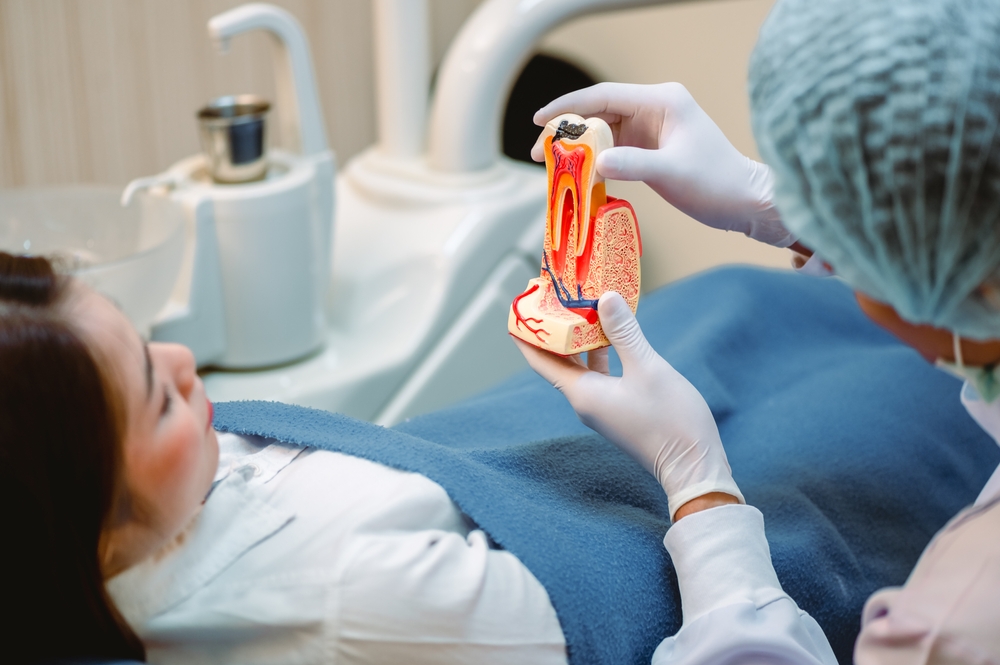
If you have ever heard the words “root canal” at a dental clinic near you, your first reaction was probably fear. Most people think a root canal is one of the worst things that can happen at a dentist’s clinic. But here is the truth — a root canal is not something to be afraid of. In fact, it is a procedure that takes away your pain, not causes it. Many patients looking for root canal treatment in Roncesvalles, Toronto often feel worried at first, but later realize it is a simple way to save a damaged tooth and stop infection.
What Is a Root Canal?
Inside every tooth, there is a soft area called the pulp. The pulp has nerves and blood vessels that help the tooth grow. When bacteria reach deep into the tooth — usually through a cavity or a crack — the pulp becomes infected. This infection causes swelling, increased pressure, and severe pain.
Root canal treatment is the process of removing the infected pulp, cleaning the inside of the tooth, and sealing it so that no more bacteria can enter. After the procedure, the tooth is saved and can continue to function normally.
How Do You Know If You Need a Root Canal?
This is one of the most common questions patients ask. Here are some signs that a nearby dentist may recommend root canal therapy:
- Severe toothache that does not go away, especially when chewing
- Sensitivity to hot or cold that lingers even after the food or drink is gone
- A small bump on the gum near the painful tooth (this is often a sign of infection)
- Darkening or discoloration of the tooth
- Swollen or tender gums around one specific tooth
These signs do not always indicate a need for a root canal, but they do mean it is time to visit a dental clinic near you right away. Early treatment makes the process easier and less costly.
Is a Root Canal Painful or Safe?
This is the big question. And the honest answer is: a root canal is very safe and much less painful than most people expect.
Before the procedure begins, the dentist numbs the area with a local anesthetic. This means the patient feels no pain during the treatment. Most people say the injection to numb the area is the only uncomfortable part — and even that only lasts a few seconds.
During the procedure, the dentist uses small instruments to carefully remove the infected pulp, clean the root canals (the channels inside the tooth roots), and fill them with a rubber-like material called gutta-percha. Then a crown or filling is placed on top to protect the tooth.
The whole process usually takes one to two appointments, depending on how severe the infection is.
What Happens After the Treatment?
After root canal treatment, some mild soreness or sensitivity is normal for a few days. This can be managed with over-the-counter pain medication like ibuprofen. Most patients go back to their normal routine the very next day.
In most cases, the treated tooth will need a crown. This crown protects the tooth and strengthens it. With proper care — brushing, flossing, and regular dental visits — the treated tooth can last a lifetime.
Save Your Tooth With Root Canal Therapy at Team Roncesvalles Dentistry
This treatment helps remove infection inside the tooth and stops pain. It also helps preserve your natural tooth rather than removing it. Our dental clinic in Roncesvalles, Toronto uses simple, safe methods to ensure patient comfort. We focus on gentle care and clear communication for every patient.
FAQs
How long does a root canal procedure take?
Most root canal procedures at dental clinic near you take between 60 to 90 minutes. Some complex cases may need a second appointment.
Can a tooth get infected again after root canal treatment?
It is rare, but possible. That is why placing a crown after the procedure is important — it seals and protects the tooth properly.
What happens if an infected tooth is not treated?
If left untreated, a tooth infection can spread to the jaw, neck, or even the brain. It is a serious condition that should never be ignored.
Is it better to pull the tooth or get a root canal?
Dentists always prefer to save the natural tooth when possible. Root canal treatment allows the patient to keep their natural tooth, which is almost always the better long-term option for oral health.