 CDCP Plan Accepted


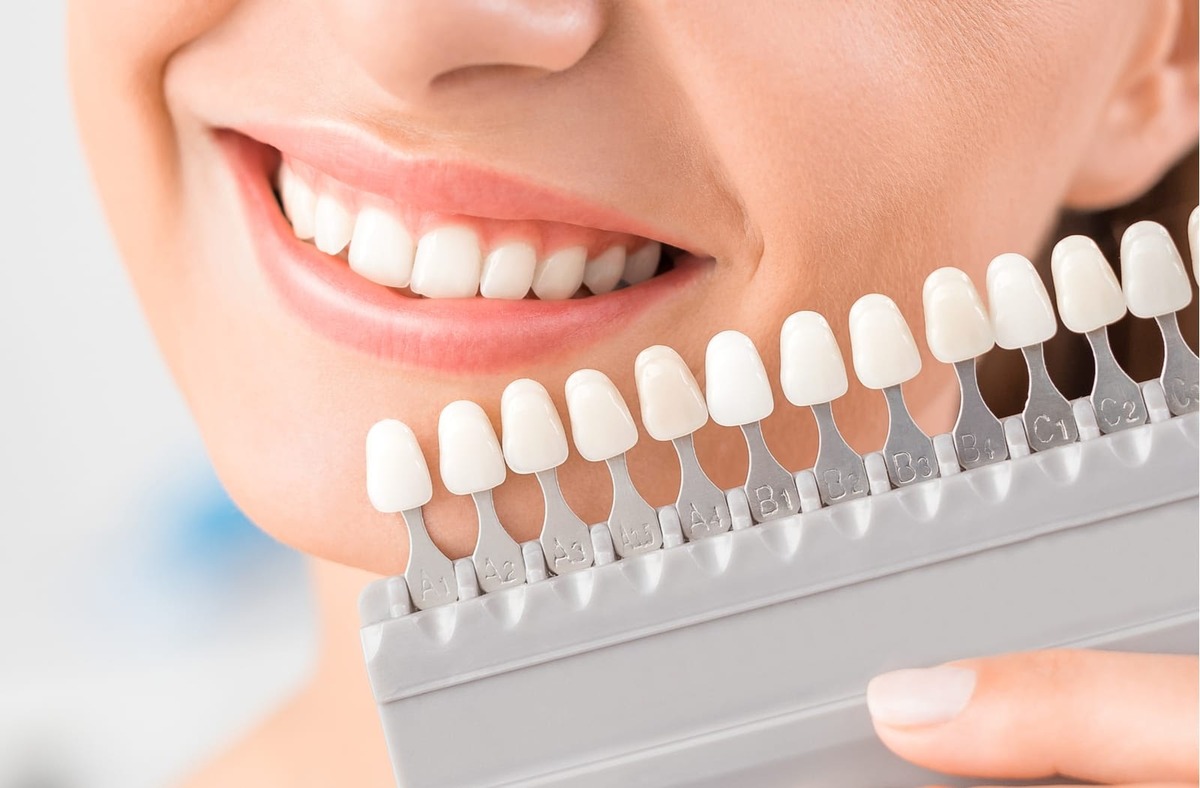
Dental veneers are thin shells placed on the front of teeth to improve their shape, colour, or appearance. In many cases, a small amount of enamel needs to be removed so the veneers fit naturally and do not look bulky. However, not every veneer treatment requires the same amount of tooth preparation. The amount depends on your tooth shape, alignment, the type of veneer, and the result you want. If you are considering dental veneers in Roncesvalles, understanding the process can help you make an informed choice. Some people may qualify for veneers that need little or no enamel removal, while others may need more preparation for a proper fit. A dental assessment is the best way to learn what is suitable for your teeth.
Do Veneers Require Shaving Down Teeth?
Usually, traditional veneers require a dentist to remove a thin layer of enamel from the front of the teeth. This creates room for the veneer and helps it fit closely against the tooth.
The amount removed is generally small, but it varies based on each person’s teeth and treatment plan. This process is not the same as filing a tooth down heavily for a crown.
Enamel does not grow back once it is removed. For this reason, traditional veneers are generally considered an ongoing treatment choice, and the teeth may need veneers or another type of restoration in the future.
How Much Tooth Is Removed for Veneers?
The answer to how much tooth is removed for veneers depends on the veneer material, tooth position, and desired shape.
For many traditional porcelain veneers, a dentist may remove around 0.3 to 0.5 millimetres of enamel, although the amount can be lower or higher in some cases. Some veneers need more preparation, while others may need very little.
Tooth preparation may help to:
- Create enough space for the veneer.
- Reduce the chance of a bulky appearance.
- Improve how the veneer fits against the tooth.
- Help the final shape blend with nearby teeth.
A local dentist in Roncesvalles can examine your teeth and explain the likely amount of preparation before treatment begins.
Can You Get Veneers Without Shaving Your Teeth?
Yes, some people may qualify for veneers that require little or no enamel removal. These are often called minimal-prep or no-prep veneers.
However, they are not suitable for every smile. Adding a veneer without making enough room can cause the tooth to look thicker or affect how the teeth fit together when you bite.
You may be a possible candidate if:
- Your teeth are naturally small or narrow.
- Your teeth have enough space for the veneer.
- You want to make small changes to the tooth shape or appearance.
- Your bite and tooth position allow the veneer to fit properly.
The answer to whether you can get veneers without shaving your teeth depends on your individual needs. A dental clinic near you can assess your teeth and discuss whether a minimal-prep option is likely to give a natural result.
What Factors Affect Tooth Preparation?
Not everyone needs the same amount of enamel removal. Several factors can affect the treatment plan:
- Tooth position: Teeth that stick out may need more preparation to avoid a bulky result.
- Tooth size and shape: Small teeth may need little preparation, while other shapes may require more space.
- Desired changes: Larger changes to tooth shape or alignment may need additional preparation.
- Veneer material: Different materials and designs have different thickness requirements.
- Bite and tooth health: The way your teeth meet and the condition of your enamel can affect whether veneers are suitable.
A dentist should explain the expected changes before starting. Ask how much enamel may be removed and whether a less invasive option could work.
Are Veneers Worth It If Enamel Must Be Removed?
Veneers may help improve the appearance of stained, uneven, chipped, or slightly misshapen teeth. However, the benefits should be weighed against the permanent changes involved.
Before choosing veneers, consider:
- Whether whitening or bonding could meet your needs with less tooth alteration.
- Whether your enamel and gums are healthy.
- The care needed to protect your teeth and veneers.
- The possibility that veneers may chip, loosen, or need replacement over time.
Veneers do not prevent cavities or gum disease. Daily brushing, cleaning between teeth, and regular dental visits remain important. A local dentist in Roncesvalles can explain the benefits, limits, and alternatives based on your oral health.
Take the Next Step Toward Your New Smile!
Thinking about improving the look of your teeth with veneers? Team Roncesvalles Dentistry can help you understand your treatment choices, learn what to expect during the process, and decide which approach best fits your dental needs. Schedule your consultation today to discuss your smile goals, get answers to your questions, and explore ways to achieve a natural-looking result while protecting your tooth health.
FAQs
Does shaving teeth for veneers hurt?
Tooth preparation is usually performed under local anaesthesia, as needed, to keep you comfortable. Some sensitivity may occur afterward, especially if the teeth have been prepared.
Is removing enamel for veneers permanent?
Yes. Enamel does not grow back. Once it is removed, the tooth may need ongoing protection with a veneer or another suitable restoration.
Are no-prep veneers better than traditional veneers?
Not always. No-prep veneers may preserve more enamel, but they can make teeth look bulky if there is not enough space. The right choice depends on your teeth and goals.
Can veneers damage natural teeth?
Veneers require careful planning and ongoing care. Enamel removal is permanent, and veneers can chip or come loose. Poor oral hygiene may also lead to decay around the edges.