 CDCP Plan Accepted

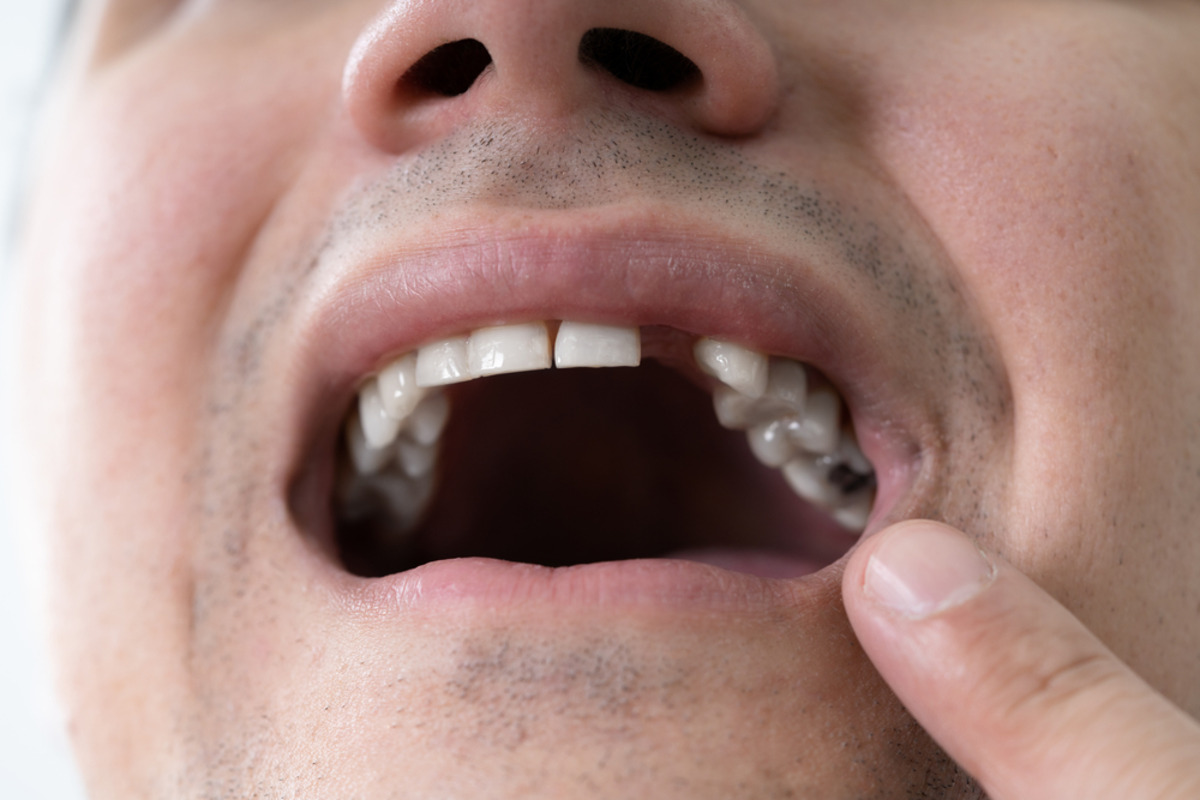
Can one missing tooth affect your bite? Yes. Even one missing tooth can slowly affect the teeth around it, the way your upper and lower teeth meet, and how pressure is spread when you chew. Dental implants in Roncesvalles may be one option for replacing a missing tooth, but the right choice depends on your gums, nearby teeth, jawbone, and overall oral health.
A missing tooth may not cause pain, so it can be easy to ignore. But if the gap stays open for a long time, nearby teeth and your bite may change. A dental checkup can help you understand these changes and whether replacing the missing tooth may be a good option.
Can One Missing Tooth Cause Teeth to Shift?
Yes, whether one missing tooth can cause teeth to shift is an important question because nearby teeth may gradually move toward the open space. The movement is not always sudden and may happen slowly over time.
As teeth change position, the space may become narrower, or the bite may feel different. This can also make some areas harder to clean properly.
How Does a Missing Tooth Affect Your Bite?
A missing tooth changes the way chewing forces are shared. The remaining teeth may take on more of the work, which can place different pressure on certain areas.
Understanding how a missing tooth affects your bite is important because changes in tooth position can influence how the upper and lower teeth come together.
Possible changes include:
- Difficulty chewing on one side
- Food becoming trapped around the open space
- Changes in how the teeth meet
- Increased pressure on some remaining teeth
- Gradual movement of nearby teeth
These effects do not happen in the same way for everyone.
Why Does the Empty Space Matter?
An open space can change more than the appearance of a smile. Nearby teeth may move into the space, while the tooth that once worked against the missing tooth may also change position.
A local dentist in Roncesvalles can check the area and look for changes that may not be noticeable during everyday activities.
An assessment can consider:
- The position of nearby teeth
- The condition of the gums
- The amount of supporting bone
- The way the bite comes together
Available tooth replacement options
When Should You Replace a Missing Tooth?
There is no single timeline that applies to every situation. The answer to when you should replace a missing tooth depends on factors such as where the tooth was lost, the condition of the surrounding area, and the chosen replacement method.
Early assessment can be useful even when treatment is not planned immediately. It allows the condition of the area to be monitored and helps identify possible changes.
How Can a Missing Tooth Affect Chewing?
Each tooth plays a role in breaking down food and sharing chewing pressure. Losing one tooth can change how the remaining teeth work together.
The effect may be more noticeable when a back tooth is missing because those teeth handle much of the chewing force. Avoiding certain foods or chewing mainly on one side may also become a habit.
Replacing the missing tooth may help restore a more balanced chewing pattern, depending on the treatment selected.
What Are the Options for Replacing One Missing Tooth?
Several treatment choices may be considered based on individual needs.
Dental Implant
An implant-supported replacement is designed to replace the missing tooth and its root structure. It is fixed in place after the implant has joined with the supporting bone.
Dental Bridge
A bridge uses nearby teeth to support a replacement tooth. It can fill the open space without requiring a removable appliance.
Removable Denture
A removable partial denture can replace one or more missing teeth. You can take it out when you need to clean it.
The right choice depends on your teeth and gum health, jawbone condition, where the missing tooth is, and what works best for you.
What Happens If a Missing Tooth Is Not Replaced?
Leaving a missing tooth untreated does not always lead to serious problems. However, changes may develop over time.
A dental clinic near you can monitor the area and help determine whether replacement would be useful.
Possible concerns include:
- Teeth moving toward the open space.
- Changes in the bite
- Difficulty cleaning around shifted teeth
- Changes in chewing comfort
- Loss of bone in the area of the missing tooth
These changes can vary from one person to another.
Ready to Take a Closer Look at Your Missing Tooth?
Leaving a missing tooth untreated may allow nearby teeth and your bite to change gradually, even when there is no immediate discomfort. Book an appointment with Team Roncesvalles Dentistry to evaluate the missing-tooth area, explore suitable replacement options, discuss your long-term oral health needs, and create a clear plan for keeping your smile comfortable, functional, and well-supported.
FAQs
Does a missing tooth always cause problems?
No. Some people may not notice any major changes for a long time. Regular dental checkups can help keep an eye on the area.
Can a missing tooth affect your bite?
Yes. Nearby teeth may move, which can change how your upper and lower teeth fit together when you bite and chew.
Is replacing one missing tooth always necessary?
Not always. The need depends on the location of the tooth, oral health, function, and possible changes in the surrounding area.
Can a single missing tooth be replaced without replacing other teeth?
Yes. Options such as an implant, bridge, or partial denture may be used to replace a single missing tooth, depending on the situation.